Kerala.com Travel Division of Worldviewer Dot Com India Pvt Ltd is an
Accredited Tour Operator by the Department of Tourism, Government of Kerala
...Sided by the Wavy Beach

At the Destination of Bekal
With a look into the Future
For Tour Packages at Bekal
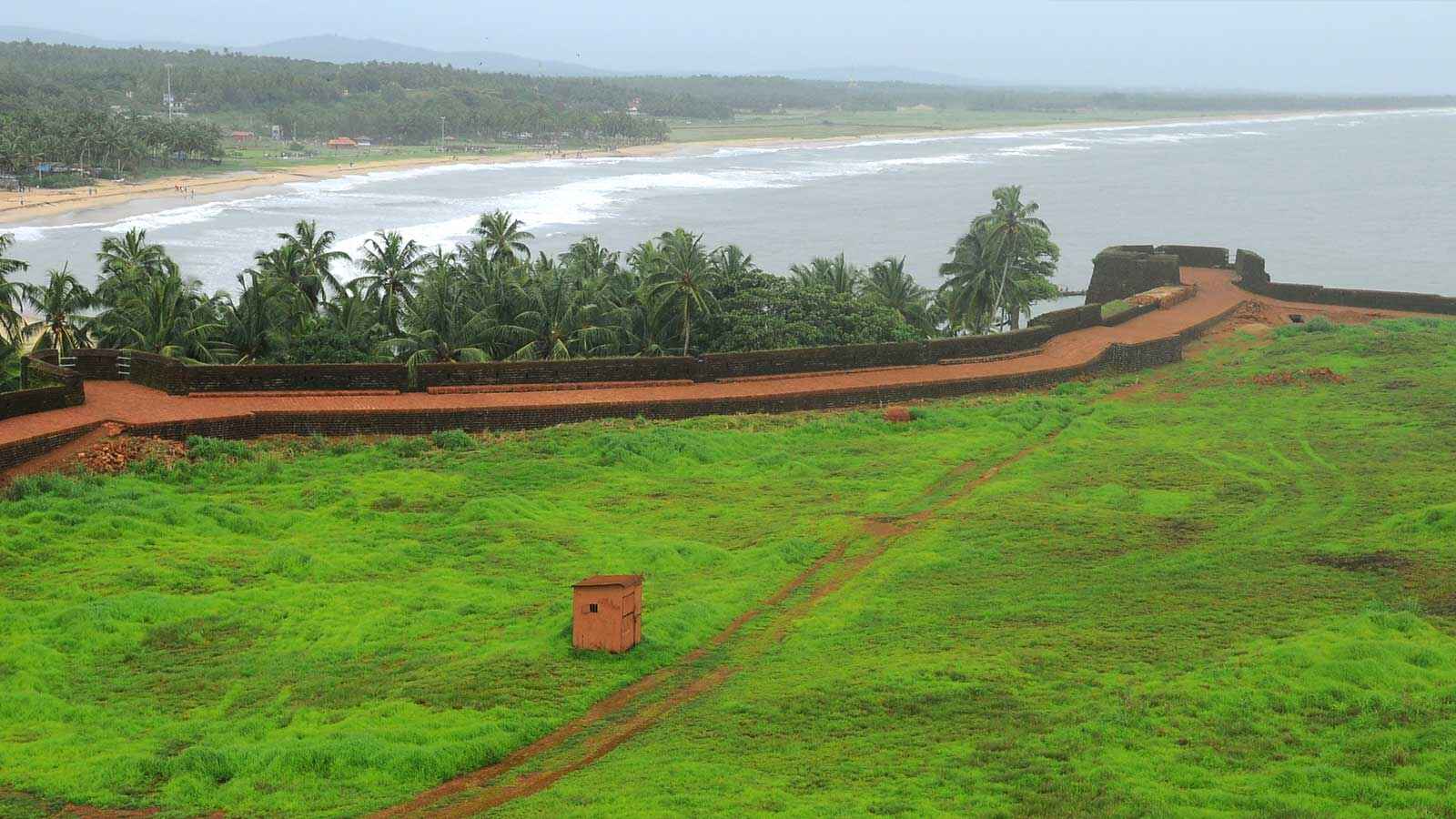
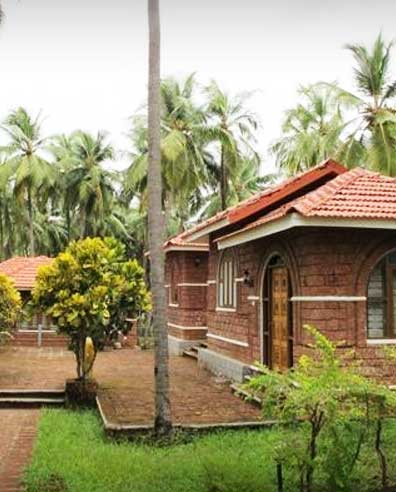
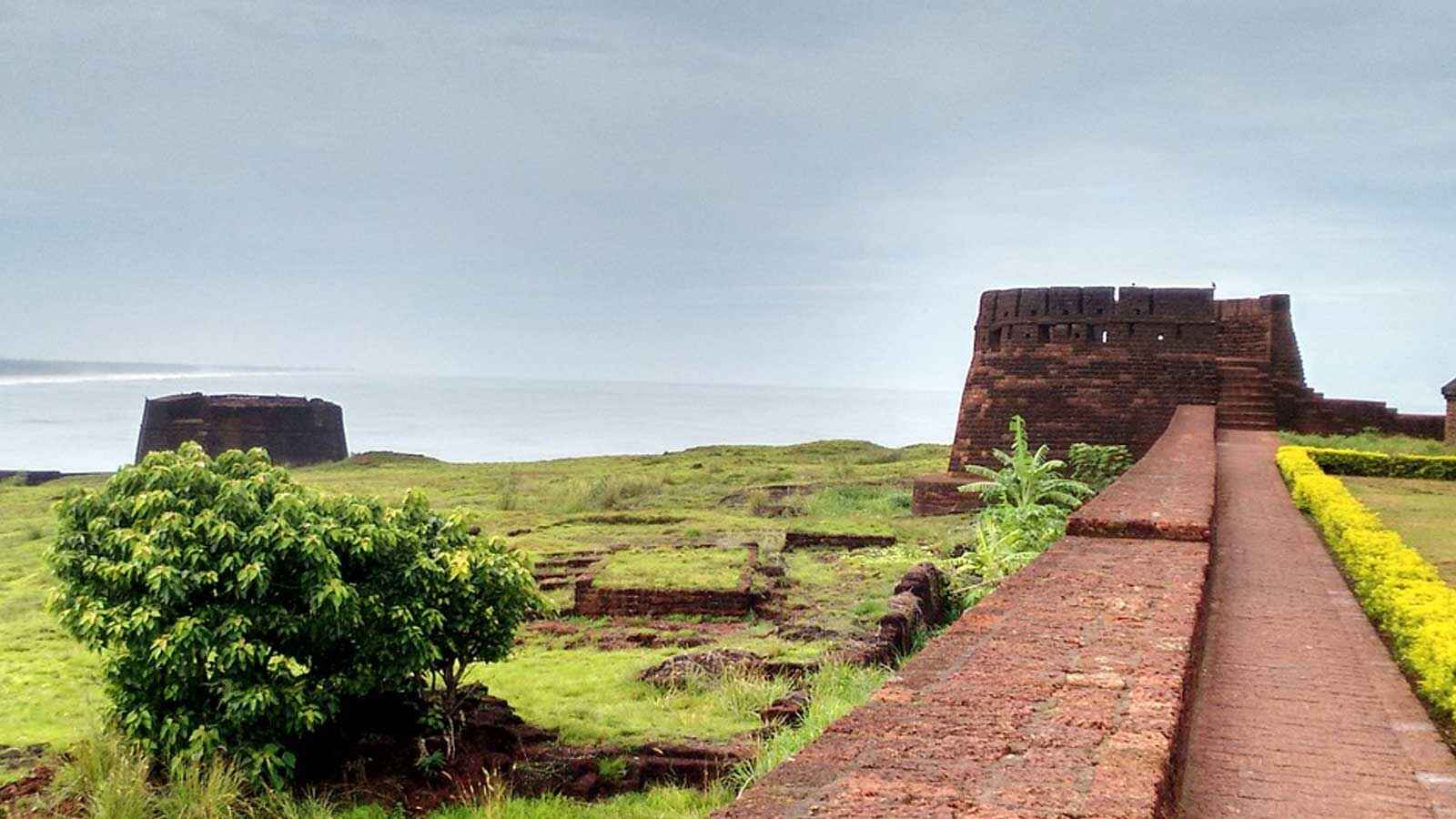
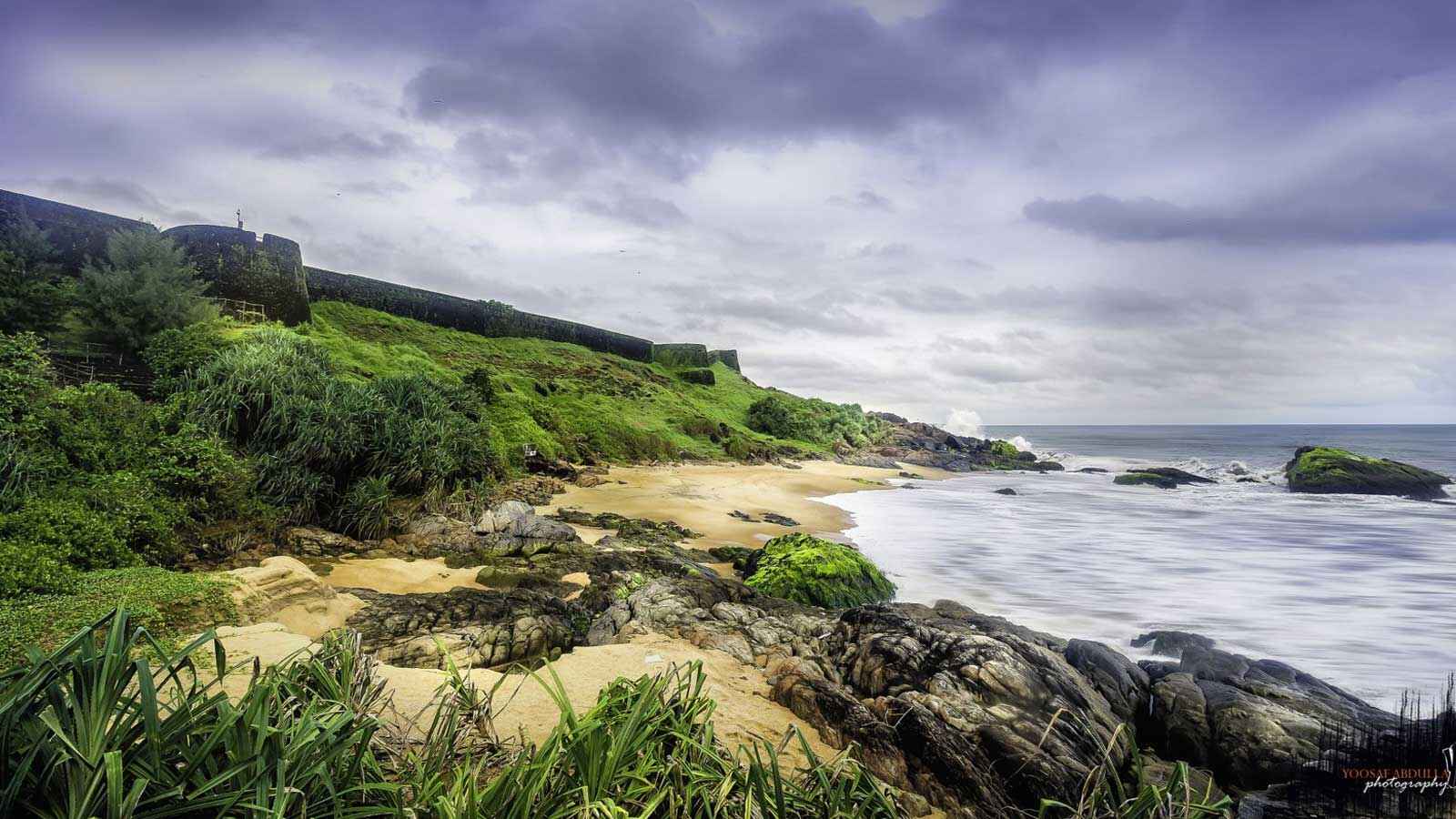
 Bekal is small town on the eastern shore of Kerala state of South India.Giant keyhole shaped fort, the golden expanse of a beautiful beach surrounding the fort, backwaters and hill destinations and water sport facilities nearby.Kasaragod is a beautiful town poised at the Northern extreme of Kerala State.16 km south of the town on the National Highway, is the largest and best preserved fort in the whole of Kerala, bordered by a splendid beach. Shaped like a giant keyhole, the historic Bekal Fort offers a superb view of the Arabian Sea from its tall observation towers, which were occupied by huge cannons, couple of centuries ago.

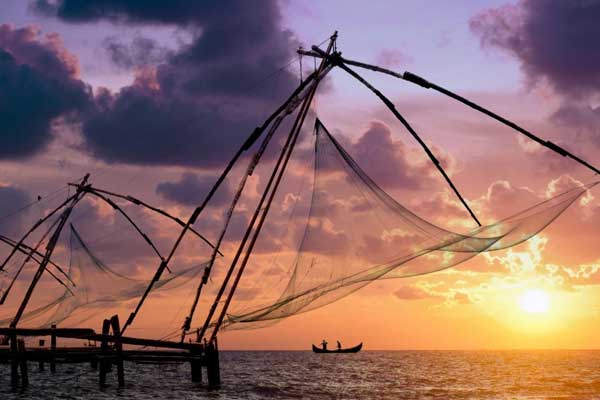
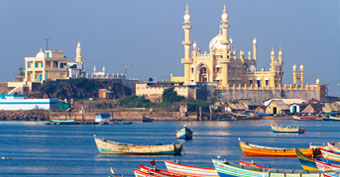
The shorelines of Kerala, comes with sandy beaches, historic forts and the iconic greenery which definitely would make your holidays special.
View Details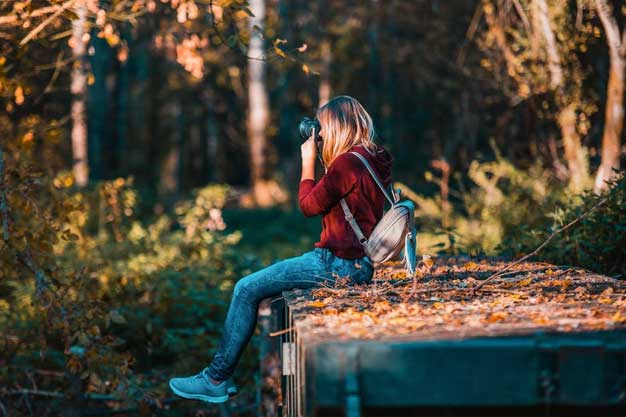
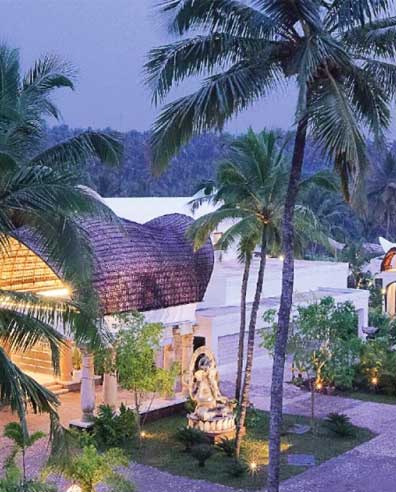
Experience the best of the Malabar region of Kerala with these holiday packages that covers many Northern destinations.
View Details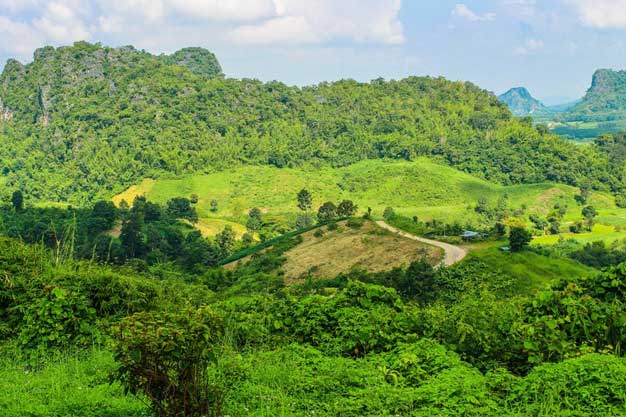
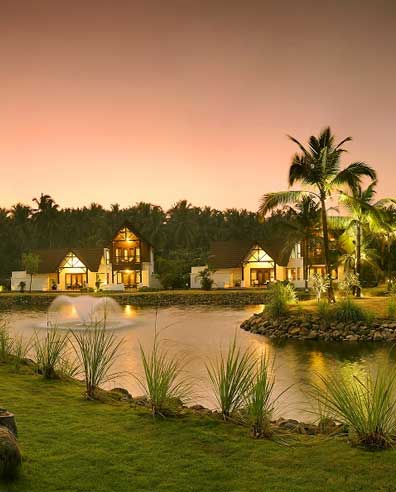
Offer your loved ones a memorable and ever-lasting note for their dream journey to the God's Own destination of Kerala.
View Details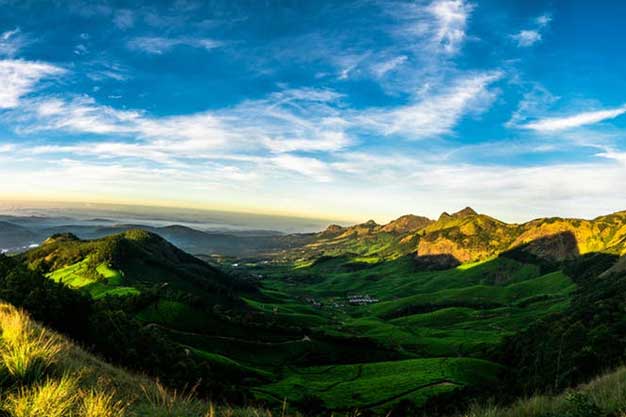
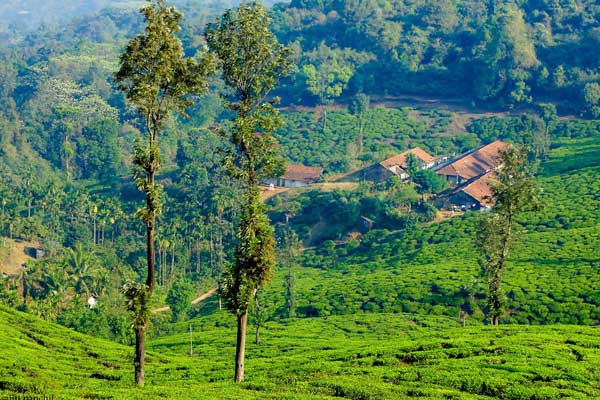
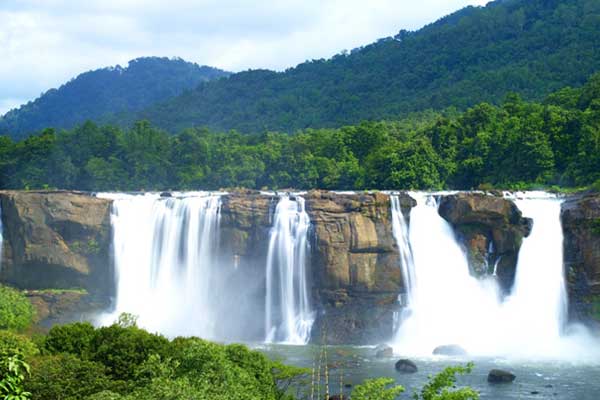
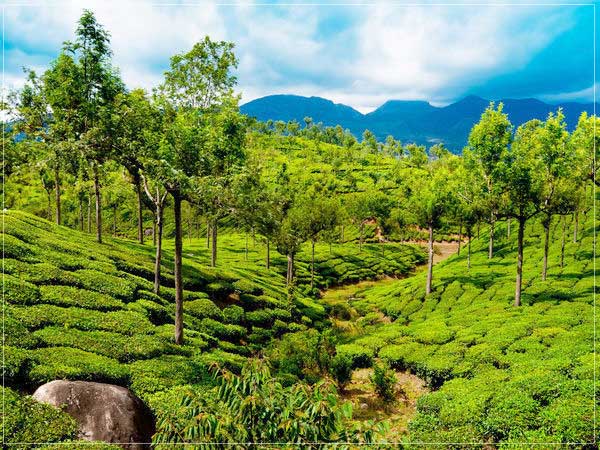
Get away from the daily stress of life and relax yourselves at the serene and misty hill stations of Kerala...Plan your holidays right now...
View Details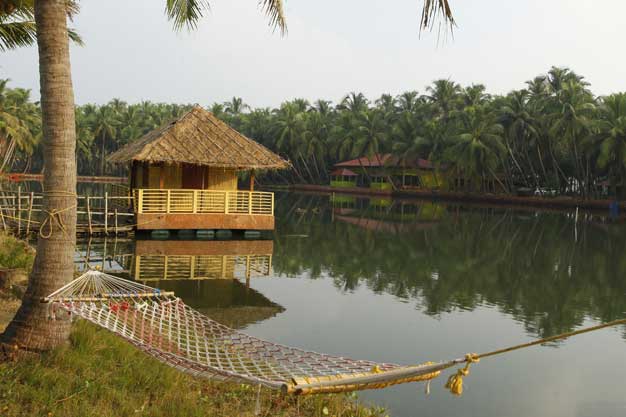
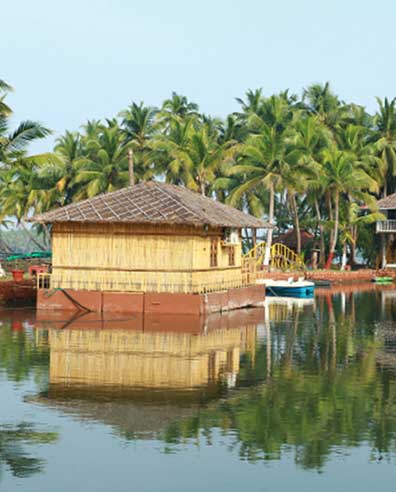
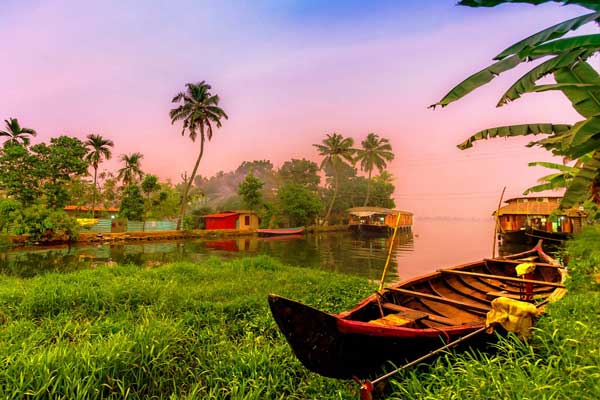
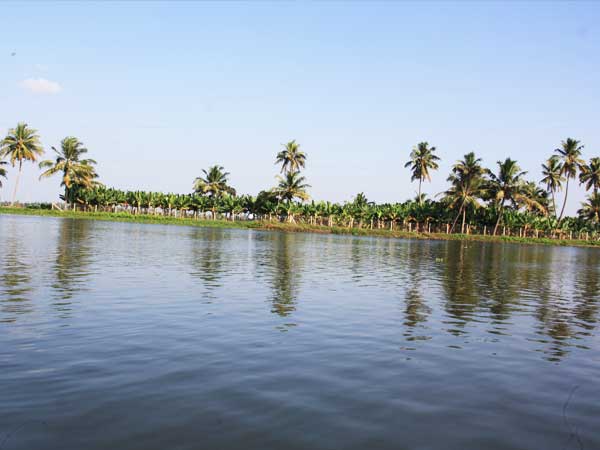
Making Kerala the favourite spot of tourism is its backwaters...Cruise along the serene and mesmerizing backwaters this holidays...
View Details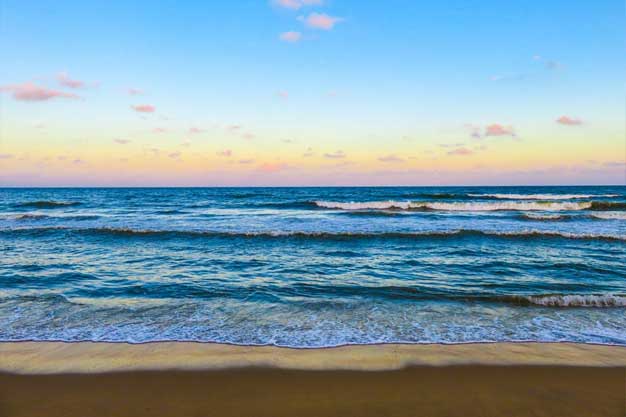
The golden sands, the tropical sun and the gushing waves is an experience not to be missed...Make your holidays memorable at the beaches of Kerala...
View Details